When Disaster Strikes Your Yard: A Guide to Fast & Reliable Emergency Tree Services in Painesville, OH
I. Oh Snap! When Your Tree Becomes a Terror
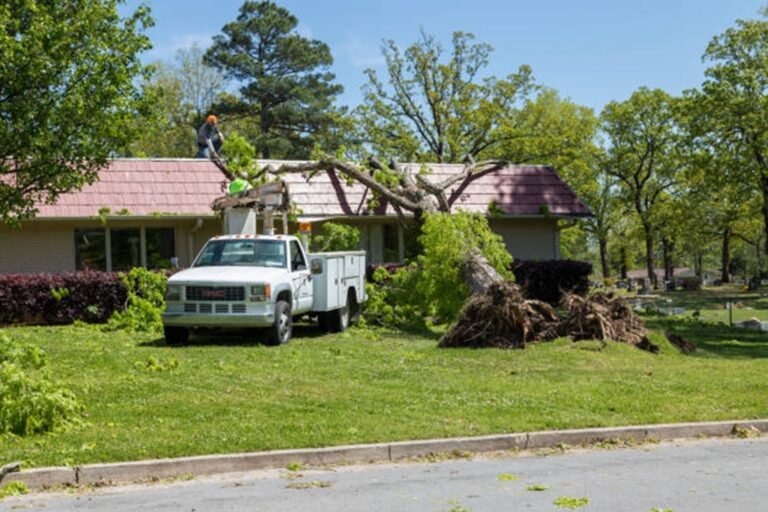
Imagine this: the wind howls, the rain lashes, and then crack! You wake up to a massive oak branch impaling your roof, or perhaps a storm-ravaged maple casually blocking your driveway. Suddenly, the quaint suburban dream morphs into a scene from a disaster movie. Panic, understandably, sets in. But what’s next?
This is where emergency tree services step onto the stage, not merely as glorified cleanup crews, but as first responders in arboreal crises. They’re not just about removing fallen timber; they’re about mitigating immediate dangers to people, property, and the humming lifeblood of our power grids.
And why should Painesville, OH, residents, in particular, heed this call? Well, let’s just say that our lakeside location and unique climate conspire to create a perfect storm – quite literally – for urgent tree care needs.
II. The Green Guardians: What Emergency Tree Services Actually Do
To think of emergency tree services as simply “chopping down trees” is like calling brain surgery a haircut. The core purpose extends far beyond mere removal. It’s about mitigating immediate dangers, ensuring the safety of people, safeguarding property, and protecting vital infrastructure, like those often-precarious power lines.
Consider the typical catastrophes that befall our leafy neighbors:
- Storm Fury: High winds, heavy rain, ice, and lightning transforming majestic trees into ticking time bombs. According to recent data, storm-related tree damage has increased by 15% in the Great Lakes region over the past decade. A chilling trend.
- The Leaning Tower of Pine: The disconcerting sight of trees suddenly tilting at alarming angles, their roots clawing desperately from the earth.
- Too Close for Comfort: Overhanging branches menacing your home, car, or, even more alarmingly, flirting with the power grid. One ill-placed branch can plunge an entire neighborhood into darkness.
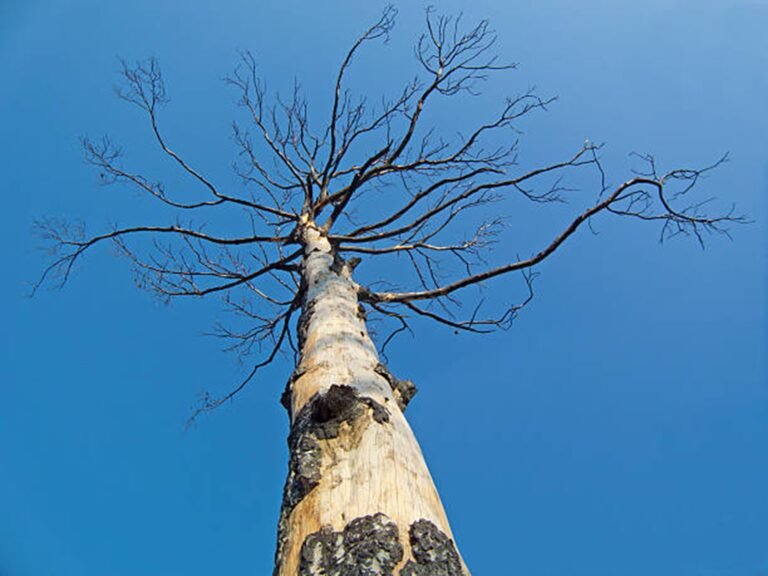
- Sick & Tired Trees: The insidious creep of disease or decay silently compromising a tree’s structural integrity, turning it into an accident waiting to happen.
- Roadblocks & Root Trips: Fallen behemoths obstructing access to homes and businesses, or rogue roots playing havoc with sidewalks, creating perilous tripping hazards.
The “Fast & Reliable” Formula that underpins these services boils down to a few critical elements:
- Always On Call: A non-negotiable 24/7 rapid response capability. When disaster strikes, time is of the essence.
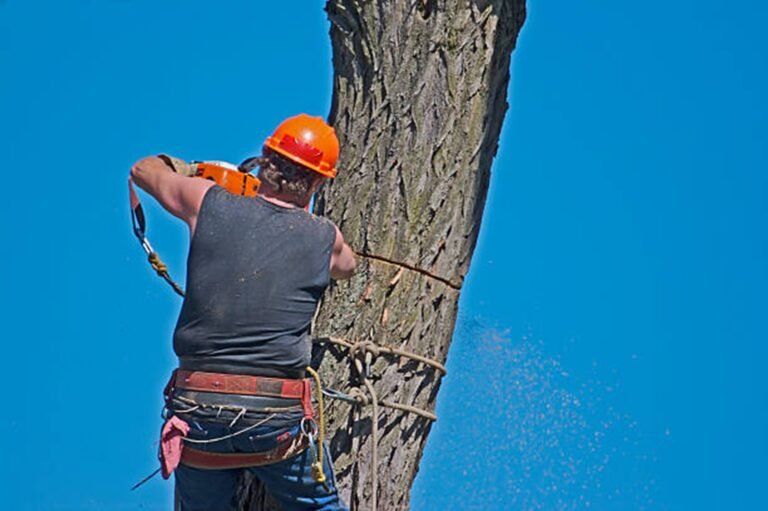
- Brains & Brawn: The expertise of ISA-certified arborists, individuals who possess not just brute strength, but a deep understanding of tree biology and safe removal techniques.
- Safety First, Always: Unwavering adherence to strict safety protocols, the utilization of proper Personal Protective Equipment (PPE), and meticulous securing of the affected area. No tree is worth a life.
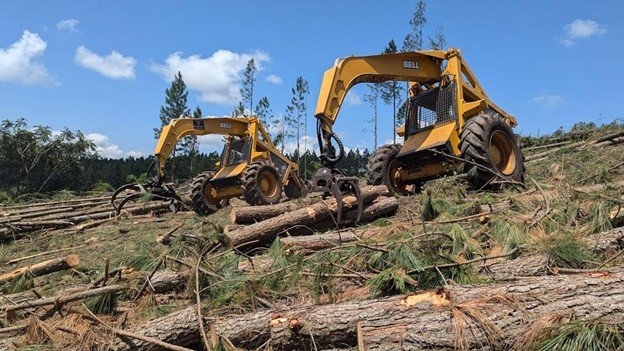
- Tool Time: The deployment of specialized equipment, including cranes, chippers, and grapple saws, designed to tackle even the most challenging jobs with efficiency and precision.
- Paperwork & Peace of Mind: The assurance of proper licensing and comprehensive insurance coverage. This protects both the homeowner and the tree service professionals.
- Start to Finish: A seamless process encompassing quick assessment, the formulation of a smart plan, safe and efficient execution, and, crucially, a spotless cleanup.
III. A Branch Through Time: The History of Emergency Tree Care
The story of emergency tree care is intertwined with the very development of civilization. In the earliest settlements, rudimentary limb-clearing and basic tree management were essential for survival – ensuring clear pathways and safe dwellings.
As urban centers emerged, and with them, the sprawling infrastructure of power lines and buildings, the consequences of tree failures grew exponentially. A fallen tree no longer simply blocked a path; it could sever power, damage property, and endanger lives.
The late 19th and early 20th centuries witnessed the ascent of arboriculture as a formal profession. No longer were trees simply the domain of loggers. Pioneers like John Davey championed the idea of specialized tree care, emphasizing preservation and proactive management.
The mid-20th century brought about a technological revolution, with the introduction of chainsaws and hydraulic lifts. These innovations transformed what was once dangerous manual labor into a more efficient and safer operation.
Painesville’s history is etched with its own battle scars from the relentless forces of nature. The region’s susceptibility to brutal weather events, from crippling ice storms to devastating derechos, has consistently driven the need for rapid and effective tree response.
IV. Painesville’s Wild Weather Ride: A Local Look at Tree Mayhem
Painesville isn’t just any town; it’s a town forged in the crucible of Lake Erie’s capricious weather patterns. We’ve seen our fair share of arboreal Armageddon.
- The Ice Age of ’04-’05: Those two back-to-back ice storms remain etched in the collective memory of Northern Ohio. Thousands of trees, laden with heavy ice, succumbed to gravity, plunging homes into darkness and chaos. The cleanup effort was monumental, a testament to the resilience of our community and the dedication of emergency tree crews.
- Derecho Destruction: The 2006 derecho, a straight-line windstorm of biblical proportions, tore through the region, inflicting an estimated half a billion dollars in damage. Fully-foliated trees, acting as sails, were ripped from the ground, leaving a trail of destruction in its wake.
- Recent Rumbles: More recently, we’ve experienced a series of high-wind events and even a tornado in neighboring Mentor in 2023. Each event served as a stark reminder of the ever-present threat posed by unstable trees.
- Why Painesville is Prime: Our local tree species, coupled with the unique soil conditions and the moderating (yet often volatile) influence of Lake Erie, create a perfect storm for tree damage. The lake-effect snow and wind exacerbate the impact of winter storms, while the heavy, clay-rich soil can weaken root systems.
V. The Good, The Bad, and The Spindly: Current Opinions & Ugly Controversies
Let’s delve into the current landscape of emergency tree services in Painesville, examining both the positive aspects and the potential pitfalls.
What Painesville Wants:
From anecdotal evidence and online reviews, it’s clear what residents prioritize:
- Speed Demons: “I need someone here NOW!” – 24/7 availability and rapid dispatch are paramount. People want immediate action when a tree threatens their home or safety.
- Trust & Transparency: Clear communication, fair pricing, and verifiable proof of licenses and insurance are essential for building trust. No one wants to feel like they’re being taken advantage of in a crisis.
- Cleanliness is King: Residents expect a spotless yard following tree removal. A thorough cleanup is a sign of professionalism and respect for the property.
- Local Heroes: Companies like Green Horizon, Al’s Tree Service, and Urban Forest Tree Service have garnered praise for their professionalism, efficiency, and commitment to customer satisfaction.
Watch Out! Tree Service Traps:
Unfortunately, the emergency tree service industry is not without its share of unscrupulous actors.
- The “Storm Chaser” Scam: Be wary of unsolicited door-to-door offers, particularly in the aftermath of a major storm. These fly-by-night operators often demand cash upfront and deliver substandard work, if they deliver anything at all.
- Phantom Professionals: Hiring unlicensed and uninsured crews is a recipe for disaster. Not only is the quality of work likely to be poor, but you could also be held liable for any damages or injuries that occur on your property.
- Price Gouging Pandemonium: Desperate times can lead to desperate measures, and some companies exploit this by charging exorbitant prices for emergency work. Stories of $20,000 bills for the removal of a single tree are not unheard of.
- Red Flags to Remember: Vague contracts, a lack of local references, unmarked trucks, and high-pressure sales tactics are all warning signs.
- Local Lore & Lessons: The Ohio Attorney General’s office has issued warnings about storm-chasing scams, and negative local reviews, such as those highlighting organizational issues with Zion Tree Service, serve as cautionary tales.
VI. Future Forests: Where Emergency Tree Services Are Branching Next
Looking ahead, the field of emergency tree services is poised for significant transformation, driven by climate change, technological advancements, and evolving regulations.
Climate Change’s Unfolding Story:
- More Mayhem: The scientific consensus is clear: we can expect more frequent and intense storms, prolonged droughts, and more severe heatwaves. These changes will place unprecedented stress on our trees, making them more susceptible to disease, decay, and storm damage.
- Stressed Trees, Stressed Owners: As trees weaken, the demand for emergency tree services will inevitably increase.
Tech Takes Root:
- Drone Patrols: Drones equipped with LiDAR technology can map tree health, identifying weak spots before they become hazards.
- Smart Trees, Smart Solutions: IoT sensors embedded in trees can monitor their vital signs in real-time, providing early warning of potential problems.
- AI Arborists: Artificial intelligence can analyze vast datasets to predict disease outbreaks and optimize maintenance schedules.
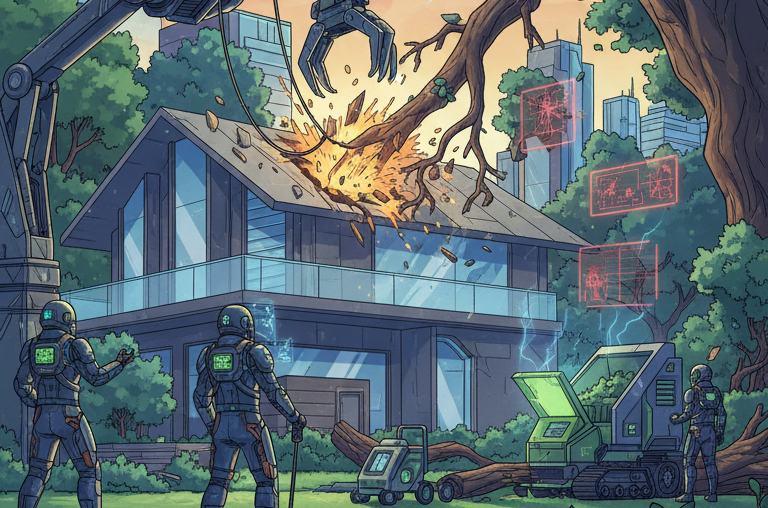
- Robots to the Rescue: Automated pruning systems, remote-controlled cranes, and grapple saws can make hazardous jobs safer and more efficient.
- Virtual Training Grounds: VR simulations can provide arborists with realistic training scenarios, allowing them to master complex techniques without real-world risks.
Green & Growing:
- Sustainable Shifts: A growing emphasis on eco-friendly equipment, recycling wood waste, and preserving healthy trees.
- Resilient Replacements: Planting climate-adapted tree species that are better equipped to withstand the changing conditions in Ohio.
- Urban Green Revolution: An increased focus on urban forestry and tree preservation in city planning.
Regulation Evolution:
- Stricter local ordinances, such as Seattle’s tree protection laws, and potential national safety standards could make the industry safer and more accountable.
VII. Painesville Prepared: Your Action Plan for Tree Troubles
In conclusion, let’s distill this information into a practical action plan for Painesville residents.
- Don’t Get Stumped: The need for fast, reliable, and reputable emergency tree services is paramount.
- Your Homeowner Checklist:
- Verify licenses and insurance (contact the insurer directly!).
- Obtain multiple written estimates.
- Be wary of unsolicited offers and upfront cash demands.
- Understand your rights under Ohio’s cancellation laws.
- Check online reviews and ask for references.
- Proactive vs. Reactive: Regular tree maintenance is crucial for preventing future emergencies. Schedule routine inspections and pruning to address potential problems before they escalate.
- Call to Action: Know who to call before disaster strikes. Support Painesville’s certified, local professionals who prioritize safety and your peace of mind. Let us safeguard our urban forest, one tree at a time.